Mastering the Retro-Chic Interior Aesthetic: Four Expert Design Principles for Nostalgic Home Environments
We may earn revenue from the products available on this page and participate in affiliate programs.
PublishedMay 14, 2025 7:00 AM EDT
Sign Up for Domino's Newsletter
Sign Up for Domino's Newsletter
By signing up, you confirm you are 16+, will receive newsletters and promotional content and agree to ourTerms of Useand acknowledge the data practices in ourPrivacy Policy. You may unsubscribe at any time.
In the design world, the concept of "mood" is frequently invoked when describing how a space looks and feels. Yet the term often lacks precise definition. Interior designer Cara Woodhouse sets out to clarify this concept in her debut book, It's a Mood: Your home. Your vibe., by examining 300 exceptional spaces, each with a distinct and intentional atmosphere.
The chapter dedicated to retro-inspired interiors captures a warmth that feels both nostalgic and refreshingly modern. Woodhouse describes the aesthetic as one that "feels like a warm hug from your grandma—only she's not a regular grandma…she's a cool grandma." The following expert insights outline how to achieve a room with a nostalgic mood that remains firmly rooted in contemporary design.
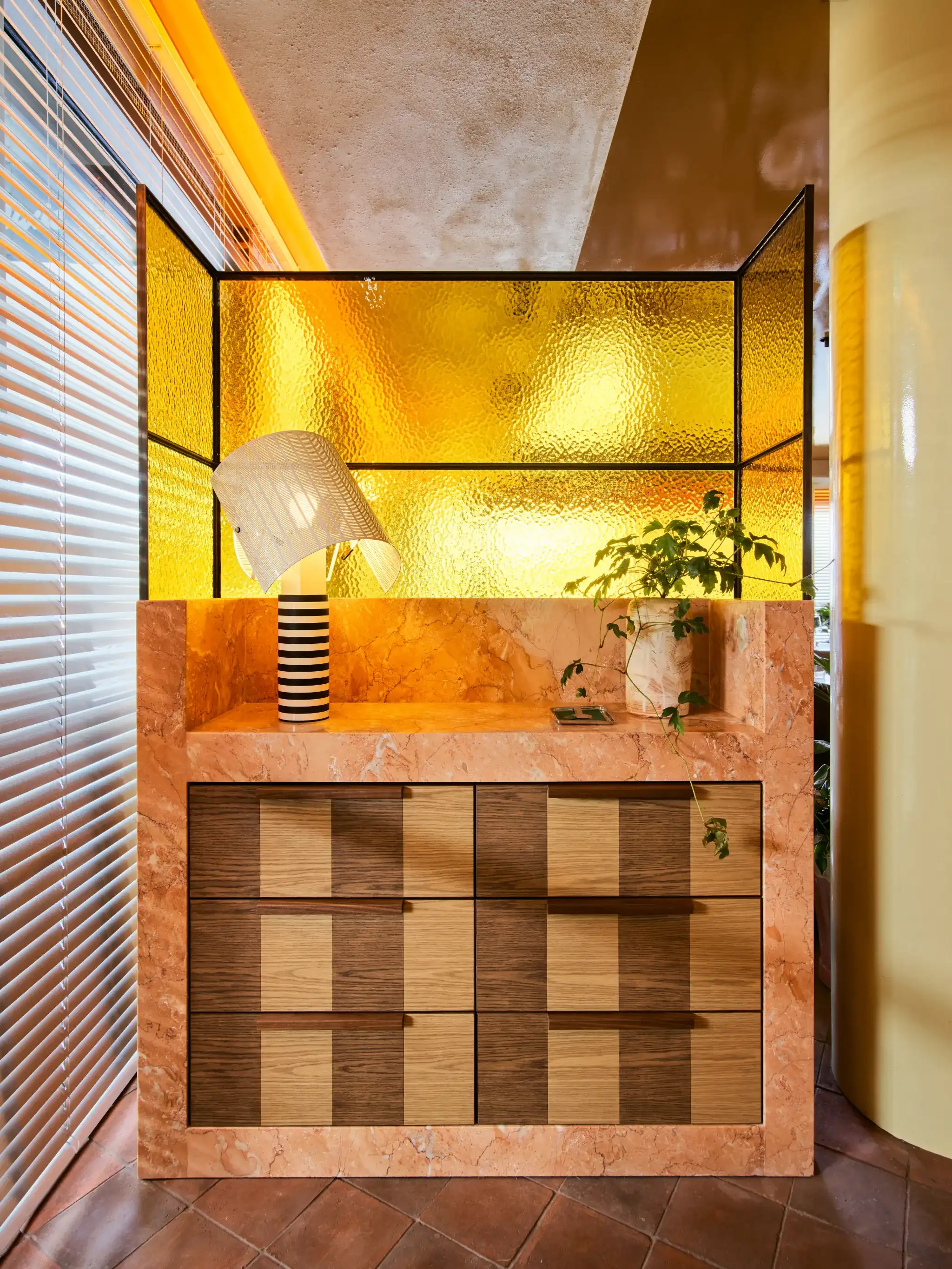
Master the Color Tone for a Modern Finish
When considering the 1970s, terra cotta stands as the defining color of the era—warm, earthy, and enduring as a material. As a color, however, the saturated shade can project strong vintage vibes that risk appearing dated if the tone is imprecise or the design leans too heavily on period-specific references. The key to success lies in updating expectations: rather than the expected terra cotta tile, consider terra cotta–colored marble. Instead of rough clay surfaces, introduce soft, cushiony seating in the same hue. Allow the color to serve as the retro reference while the form remains decidedly modern. Equally important is the tone selected—the terra cotta of the seventies carries a bright, orange-y tint, while today's iterations tend toward deeper, pinkish-burnt sienna rather than sedated coral.
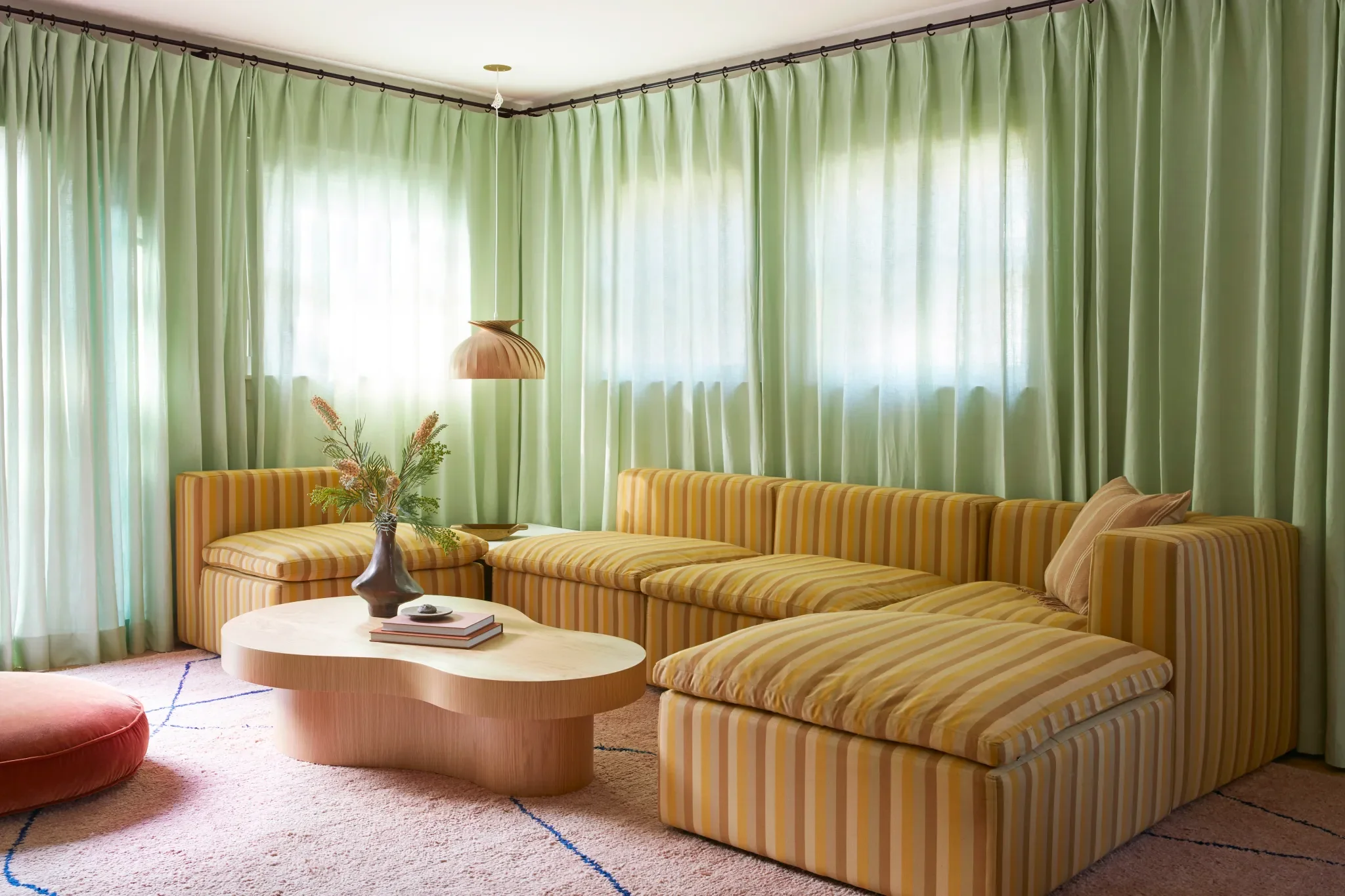
The same principle extends to other vintage-inspired hues. Avocado green should be interpreted as minty and soft. Mustard yellow should appear brighter and less muddy. Lavender performs best as a pale, almost translucent hue. While the tonal adjustments may seem subtle, they make a decisive difference in achieving a polished, contemporary result.
Since we're on the subject, let's talk about avocado green, mustard yellow, and lavender, too. The same concept applies to these vintage-y hues. Look for today's interpretations. Avocado green should be minty and soft. Mustard yellow . . . brighter, less muddy. And lavender is best when it's a pale, almost translucent hue. The contrast might seem minuscule, but it makes all the difference.
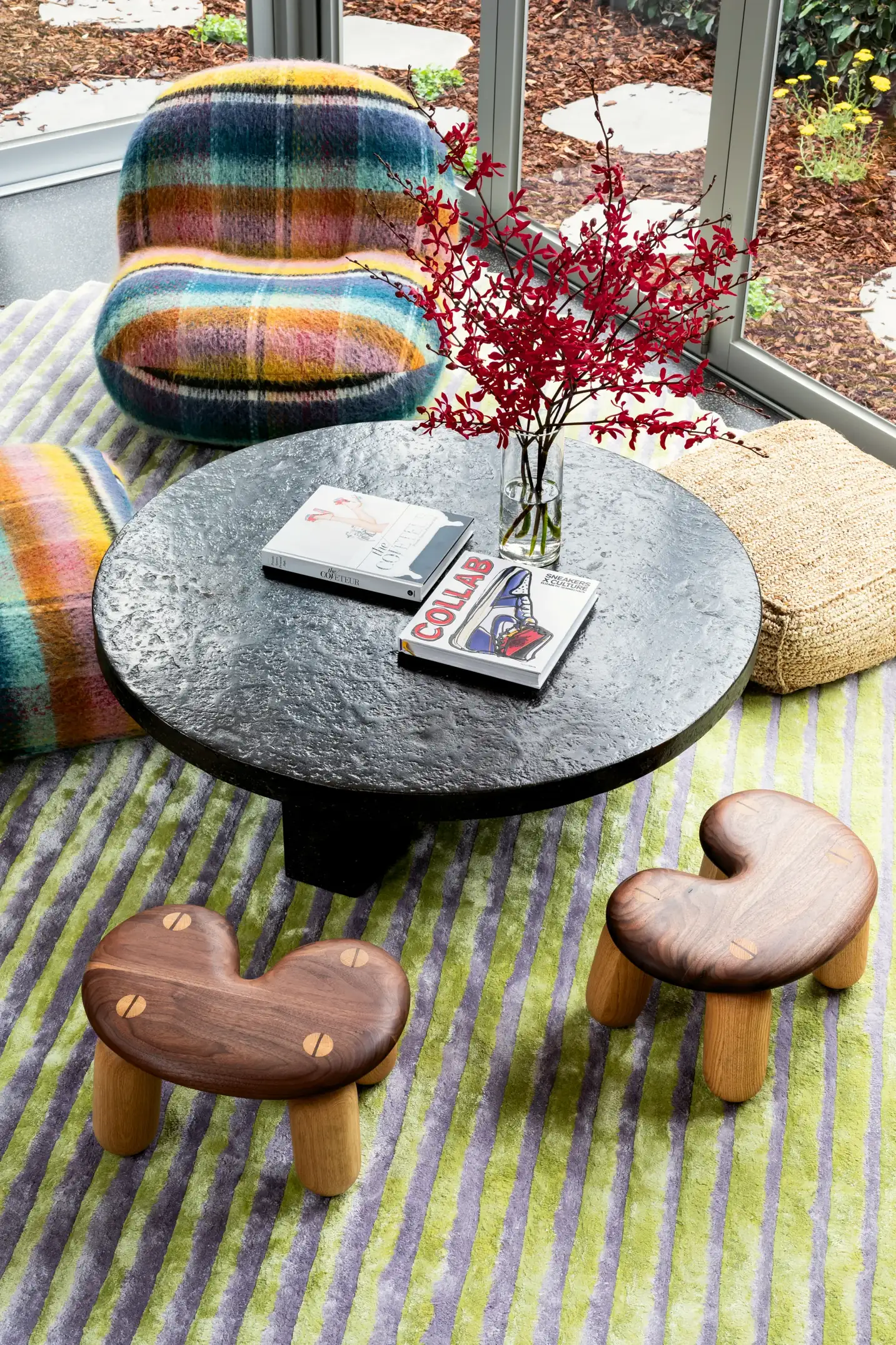
Embrace Oversized Patterns and Bold Textures
Plaids and stripes. Colorful geometrics. Checkered prints. In the timeline of design history, they've all come and gone and returned, each time assuming a new persona that speaks to the cultural moment. What distinguishes this family of patterns is their ability to harmonize across eras—a sixties block-print paired with a fifties check and a twenties pinstripe creates a cohesive, layered composition.
In their latest embodiment, however, these throwback motifs appear to have passed through a magnifying glass, emerging bigger, bolder, and more textured than ever.
The Pierre Paulin Pacha lounge chair exemplifies this approach. The style dates to the mid-seventies, but the Pierre Frey fabric covering it reads as a super-saturated eighties plaid, blown up ten times larger than expected. The result is a vintage mix that reads as decidedly modern. Even the muted striped rug defies conventional proportions—the lines are wider, more audacious, and unmistakably of the moment.
The amplification extends beyond oversized prints. There's an uninhibited textural landscape at work: the plaid fabric blends virgin wool, mohair, and alpaca—each fiber left intentionally lush and tactile. The rug, by British fashion designer Kitty Joseph, features a striking height disparity between stripes, one towering over the other to create a sculptural wave effect. The tufts appear to shift in color depending on the viewing position in the room.
Today's patterns may be bigger and the textures wilder, but the old-school charm remains solidly intact. The approach rewards bold choices and a willingness to embrace character in every detail.
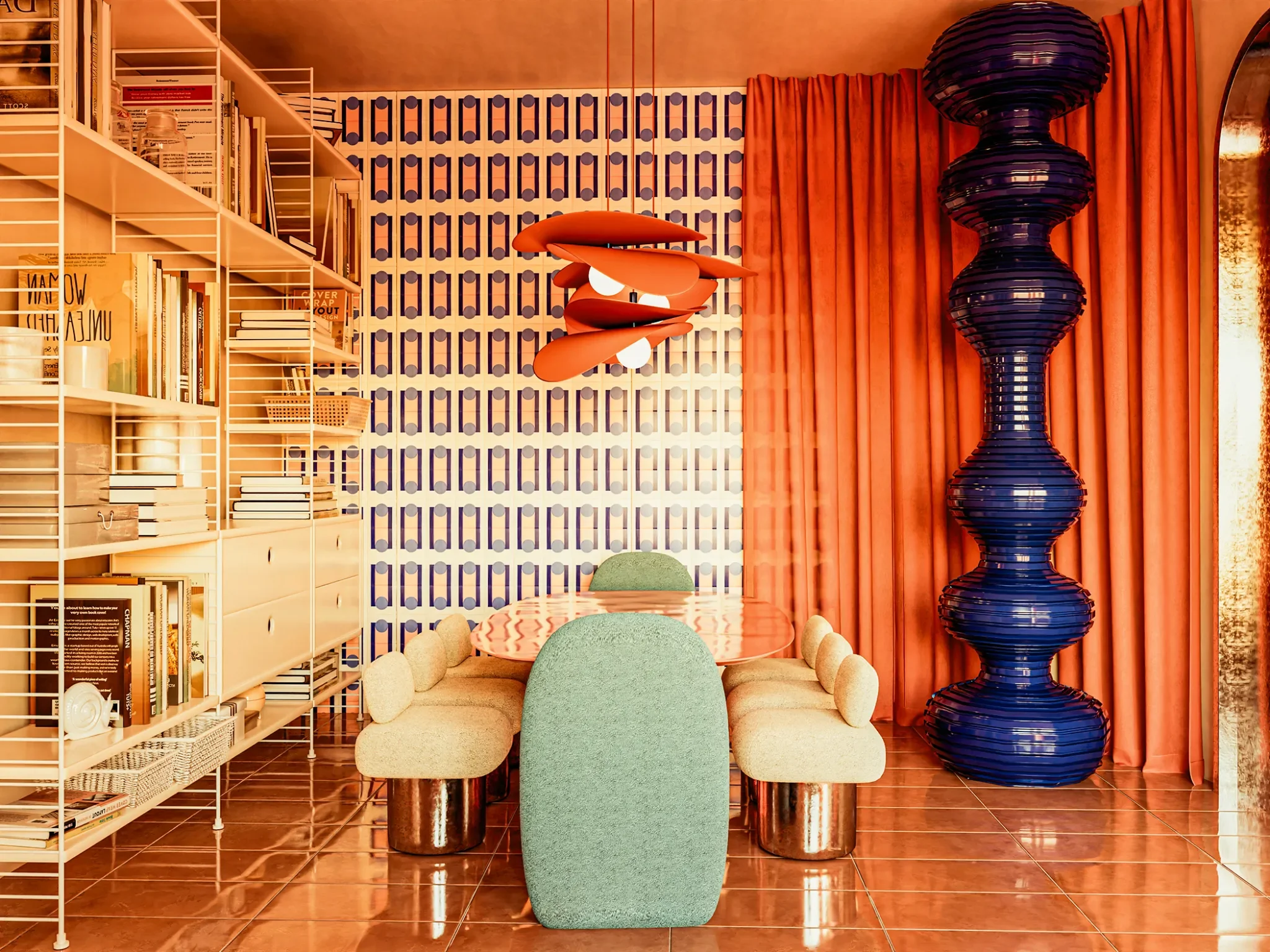
Achieve Impact with a Single Statement Element
If the appeal of retro nostalgia is compelling but the prospect of committing an entire room to the aesthetic feels ambitious, the recommended approach is selective application. For this particular design direction, a single substantial moment is sufficient to achieve the desired throwback effect. A decorative pillow alone won't deliver the impact, but an area rug, a distinctive piece of furniture, or a well-placed section of tile can successfully introduce the character of the aesthetic into a space.
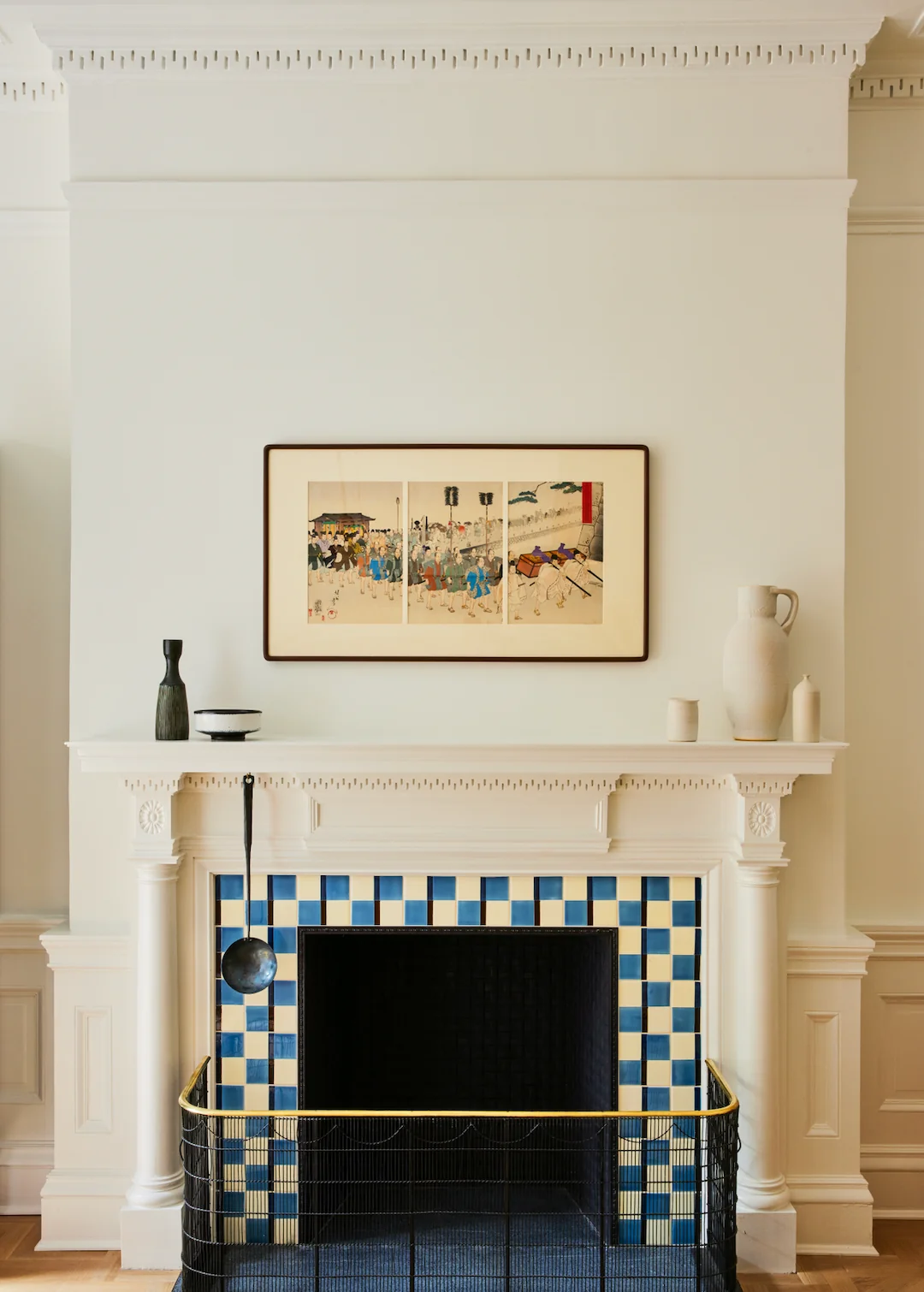
Transform Existing Character into Design Opportunity
When it comes to vintage details in a home, individual perception varies widely. A wood-paneled den may be the greatest selling point of a mid-century property for one buyer, while a wallpapered bathroom in a rental may strike another as an unwelcome reminder of a bygone era. Either scenario, however, can lead to remarkably inspired design outcomes.
If the existing details lean more challenging than charming, consider them an opportunity to test the limits of your creativity. Some of the most impactful design solutions originate from constraints that demand innovative thinking. Dated kitchen cabinets can be refinished. Old doors can be replaced. With the right approach, any perceived limitation can become a defining design feature.
Excerpted from It's a Mood: Your Home. Your Vibe. by Cara Woodhouse. Published by Abrams.
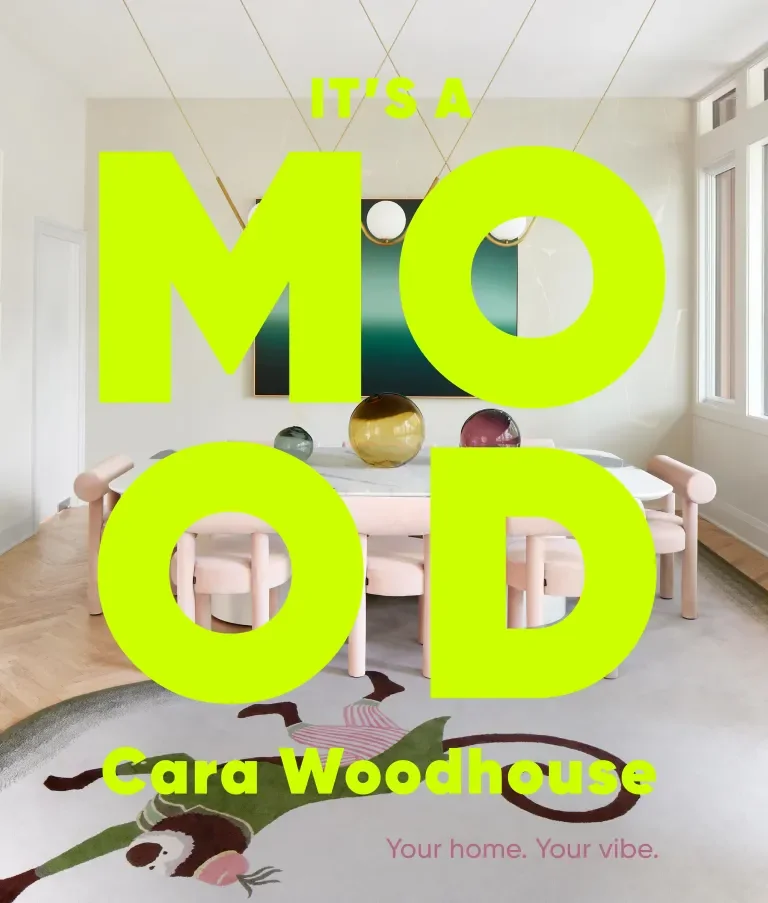
It's a Mood: Your home. Your vibe.
Cara Woodhouse
Designer
Learn more about Domino.comEditorial Standards