Colorful Paint Transforms Structural Features Into Striking Design Focal Points
We may earn revenue from the products available on this page and participate in affiliate programs.
PublishedMay 15, 2026 7:00 AM EDT
Sign Up for Domino’s Newsletter
Sign Up for Domino’s Newsletter
By signing up, you confirm you are 16+, will receive newsletters and promotional content and agree to ourTerms of Useand acknowledge the data practices in ourPrivacy Policy. You may unsubscribe at any time.
When addressing prominent—and often awkward—structural details within a home, two approaches present themselves: spend years attempting to conceal them, or elevate them into the room’s defining feature. A growing number of homeowners are choosing the latter, transforming exposed pipes, substantial beams, aged radiators, and other once-overlooked architectural elements into bold design statements using a single, versatile medium: paint.
These structural features are being finished in saturated reds, warm yellows, minty greens, and primary blues. The result is playful, deliberate, and subtly rebellious—particularly effective in older residences or industrial spaces where architectural quirks are part of the inherent character. Below, explore several applications that demonstrate the impact this technique can achieve.
Highlight the Architecture with Saturated Color
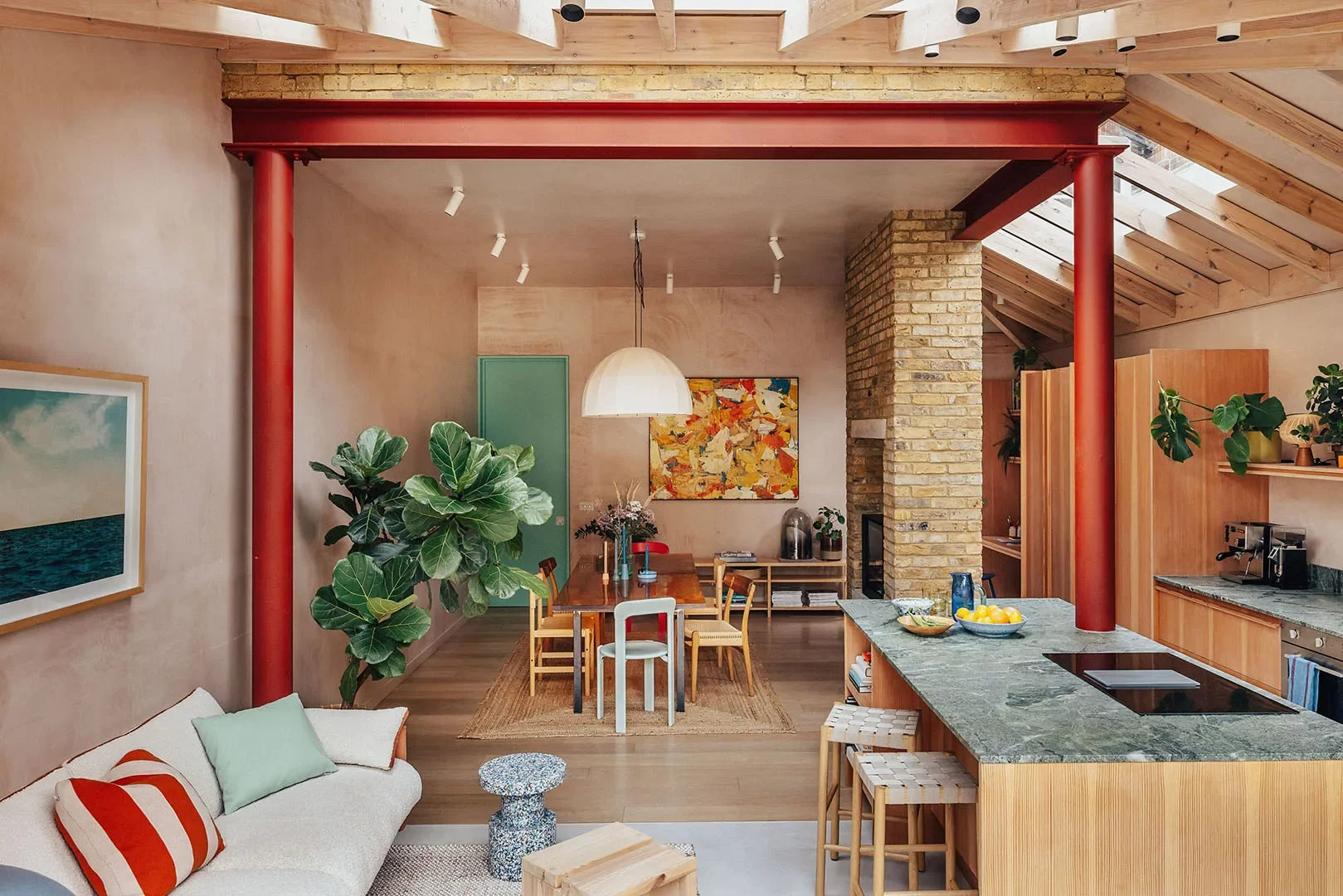
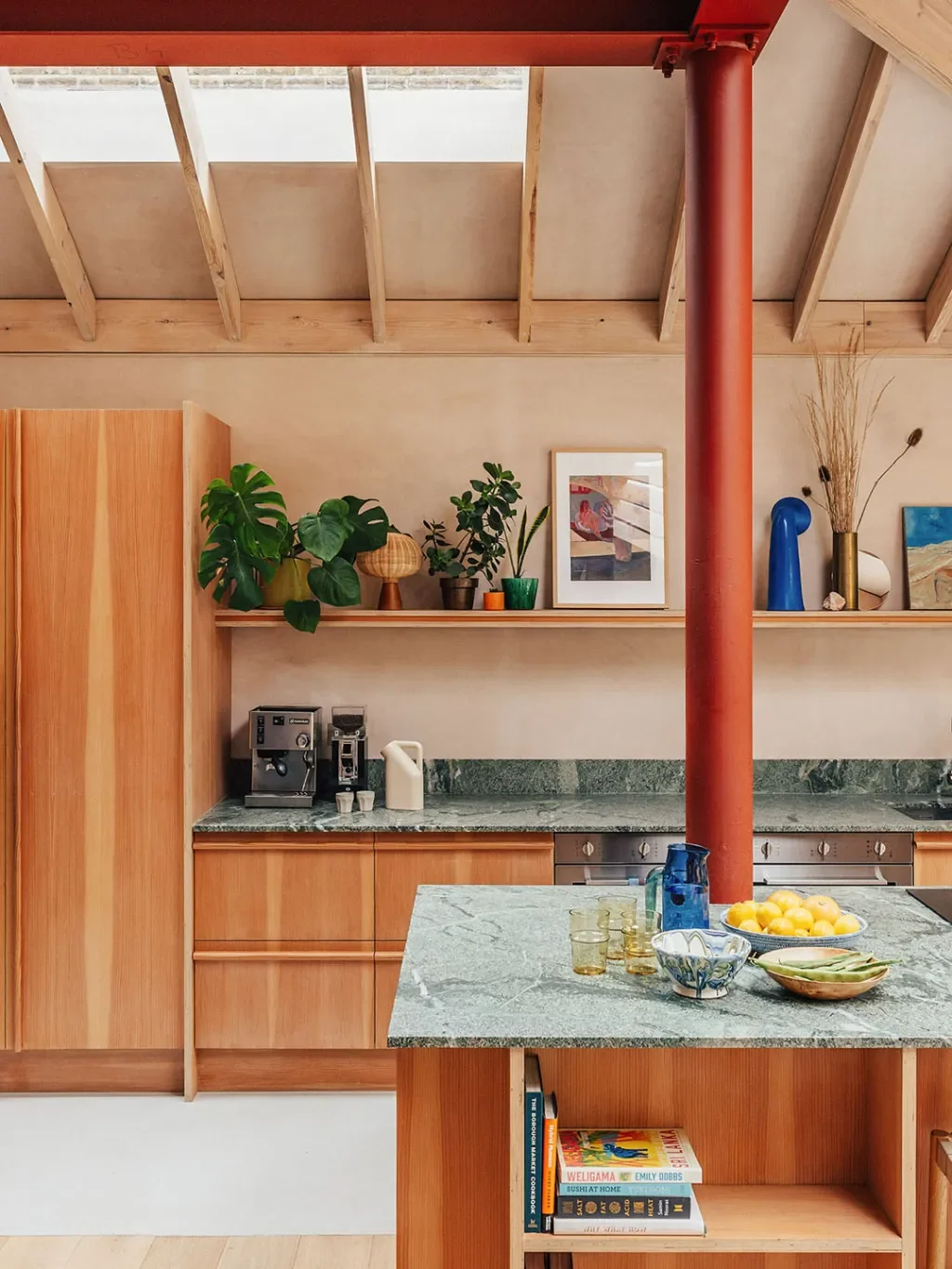
Working alongside her brother, architect Felix von Bechtolsheim, interior designer Valerie von Bechtolsheim renovated her London Victorian row house to celebrate its structural bones rather than conceal them. The cherry-red beams reference the construction method of the addition, introducing architectural drama without the need for additional furniture or visual clutter.
Rather than attempting to visually minimize these elements, an application of high-gloss or highly saturated paint can completely transform the atmosphere of a room. It also offers a remarkably renter-friendly method for defining a space architecturally without the need for renovation.
Transform Overlooked Details Into Design Features
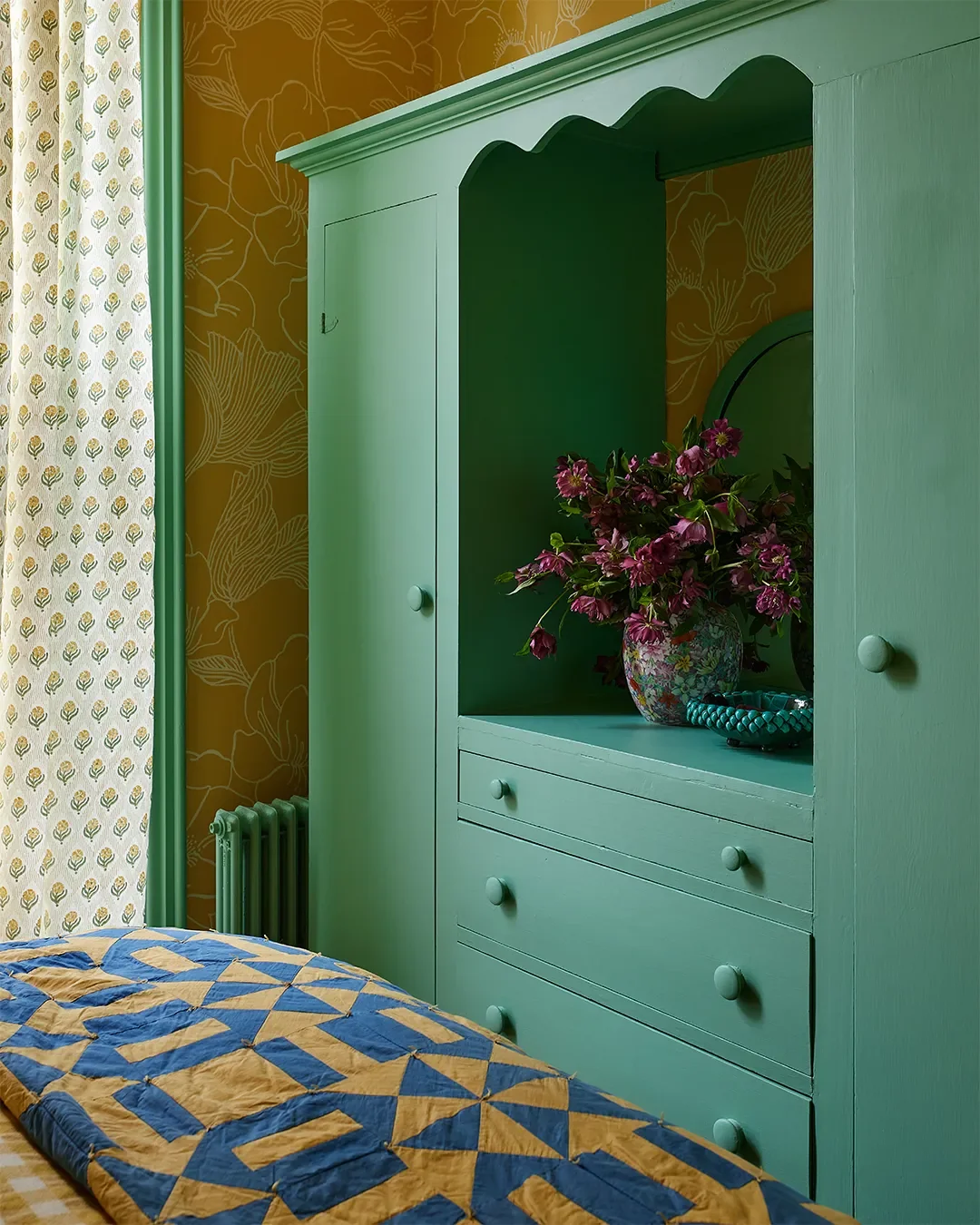
In the Hillsdale, New York, farmhouse of cookbook author and creative Dan Pelosi, the kitchen ceiling’s support system delivers a concentrated punch of color within an already vibrant design scheme. In the bedroom, a discreet radiator receives a refined finish using Farrow & Ball’s Arsenic paint, precisely matched to the built-in wardrobe and window trim.
Once regarded as purely functional components, cast-iron radiators are increasingly finished in standout shades that complement—or intentionally contrast with—the surrounding room. A pistachio-finished radiator in a wallpapered bedroom reads as soft and whimsical, while a glossy black radiator set against pale pink walls feels sharp and graphic. The essential consideration is selecting a paint specifically formulated for high-heat surfaces, ensuring the finish maintains its integrity over time.
Elevate Exposed Pipes with Bold Color
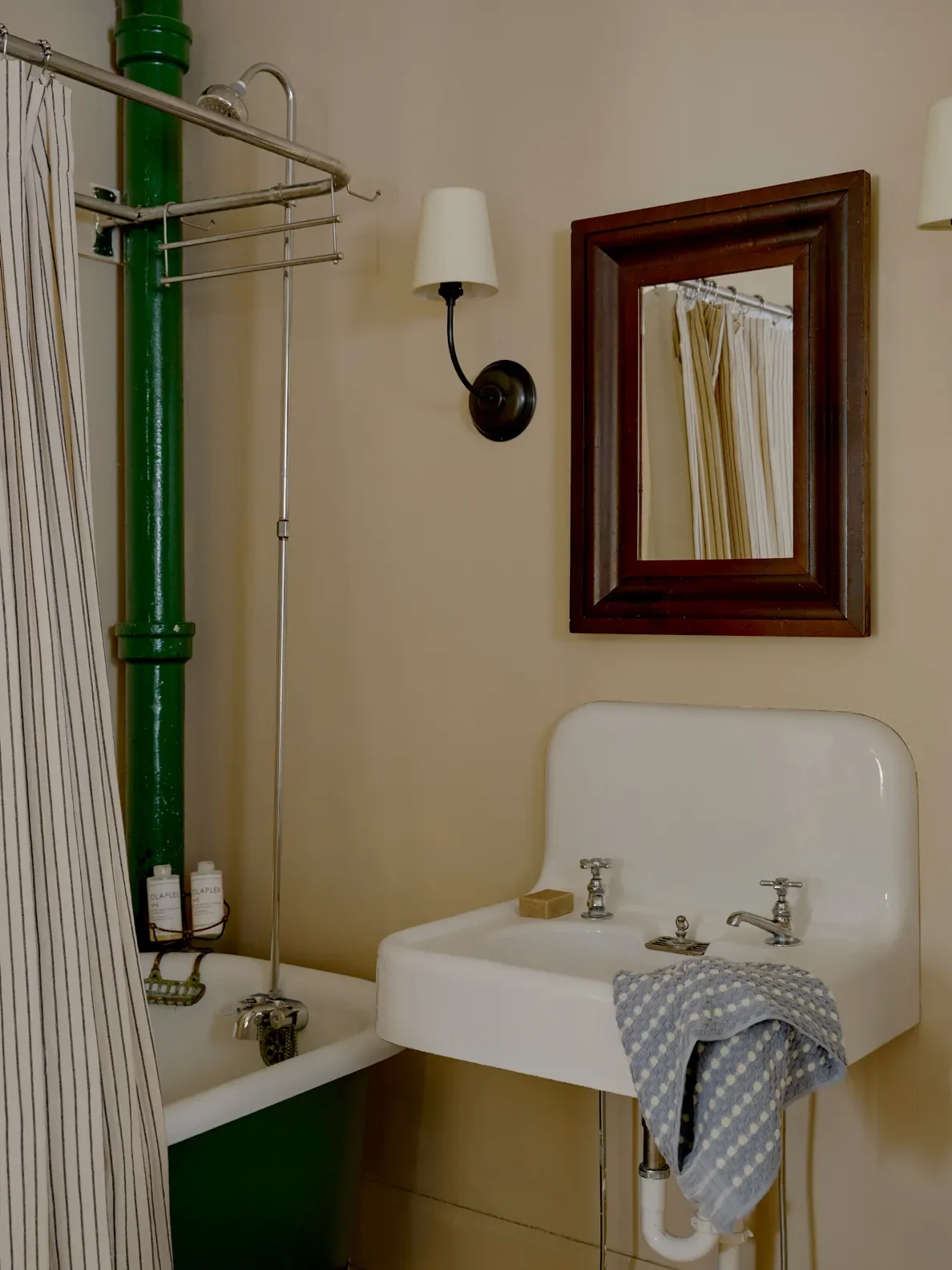
In the Vermont farmhouse of Julia Noran Johnston, founder of Business of Home, a substantial bathroom pipe is integrated into the design rather than concealed. The hue is matched to the cast-iron tub, creating a cohesive feel throughout the room. The key to executing this look successfully is commitment: a timid neutral can appear unfinished, while a saturated color, such as this emerald green, reads as deliberate and resolved.
Pipes, ducts, and conduit lines are the utilitarian details that many homeowners spend thousands enclosing with drywall, yet finishing them in a confident color can make a room feel more dynamic and layered—particularly effective in lofts, basements, or compact apartments. Designers frequently recommend carrying a single accent across multiple structural details within a room, ensuring the choice reads as intentional rather than accidental.

Zoë Sessums
Contributing Editor
Learn more about Domino.comEditorial Standards